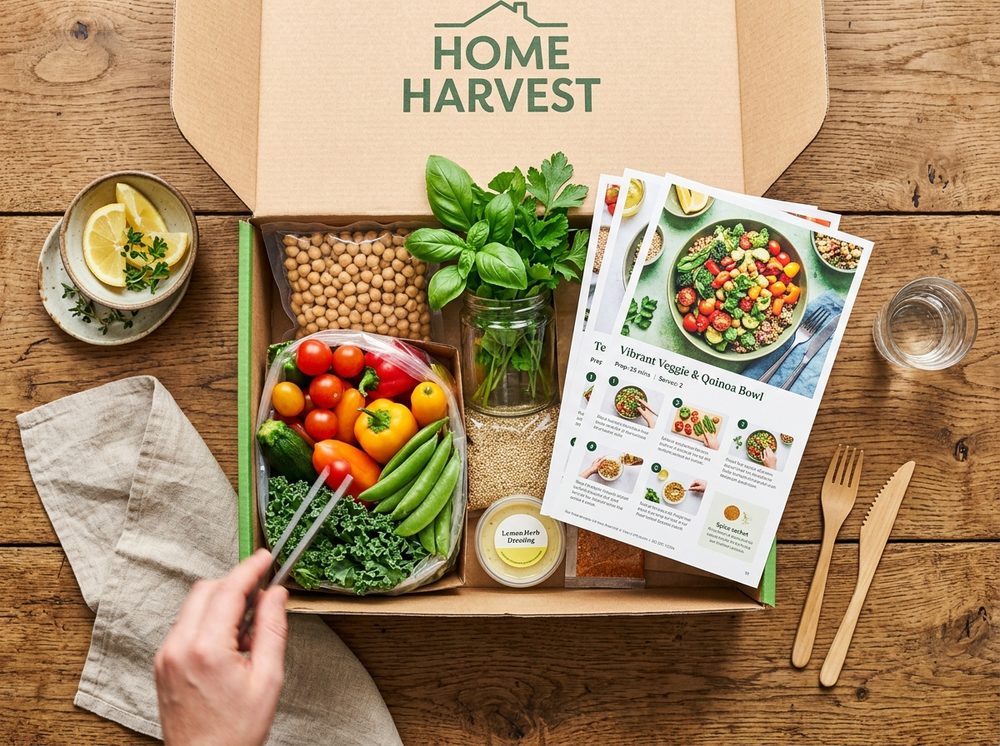
Meal-kit companies sell ingredients in a box. Aarstiderne, the Danish organic meal-kit pioneer, understood early that what customers actually buy is a calmer weeknight and a healthier table. Their marketing follows that insight to its logical end.
Sell the outcome, teach the skill
Instead of advertising the box, the content teaches the cooking: recipes, seasonal guides, techniques, and stories from the farms. The product appears exactly where it belongs — as the easiest way to act on what you just learned.
This is content marketing in its purest form:
- The content has standalone value. A seasonal vegetable guide is useful whether or not you ever buy a box.
- The product is the natural next step. After reading about what to do with celeriac, having it show up at your door is a feature, not an ad.
- Values are demonstrated, not declared. Organic sourcing isn't a claim on the packaging; it's a story you can read about a specific farm.
Why it scales
Values-driven content travels well across regions because the underlying human problem — "what's for dinner, and is it good for us?" — barely changes. The recipes adapt to local kitchens; the mission doesn't have to.